
Heating fire safety
Before the first
cold night
Check space heater clearance, electrical connections, fireplaces, smoke and CO alarms, and escape routes before the first cold night.
For U.S. households bringing heating equipment back into daily use this November, the useful question is not simply whether an appliance still produces heat. It is whether that appliance, its power or fuel supply, the room around it and the people using it still fit together safely. Furniture moves, storage accumulates, cords age and household routines change between heating seasons. A setup remembered as convenient last winter deserves a fresh look rather than an automatic restart.
This guide draws on U.S. Fire Administration, Consumer Product Safety Commission, National Fire Protection Association and state fire-safety guidance. It is a review of public-source recommendations, not a home inspection, product test or report from a fire scene. Equipment manuals, qualified professionals and local requirements remain important because a portable electric heater, a gas fireplace and a wood-burning stove do not have interchangeable operating instructions.
Start with the room, not the thermostat
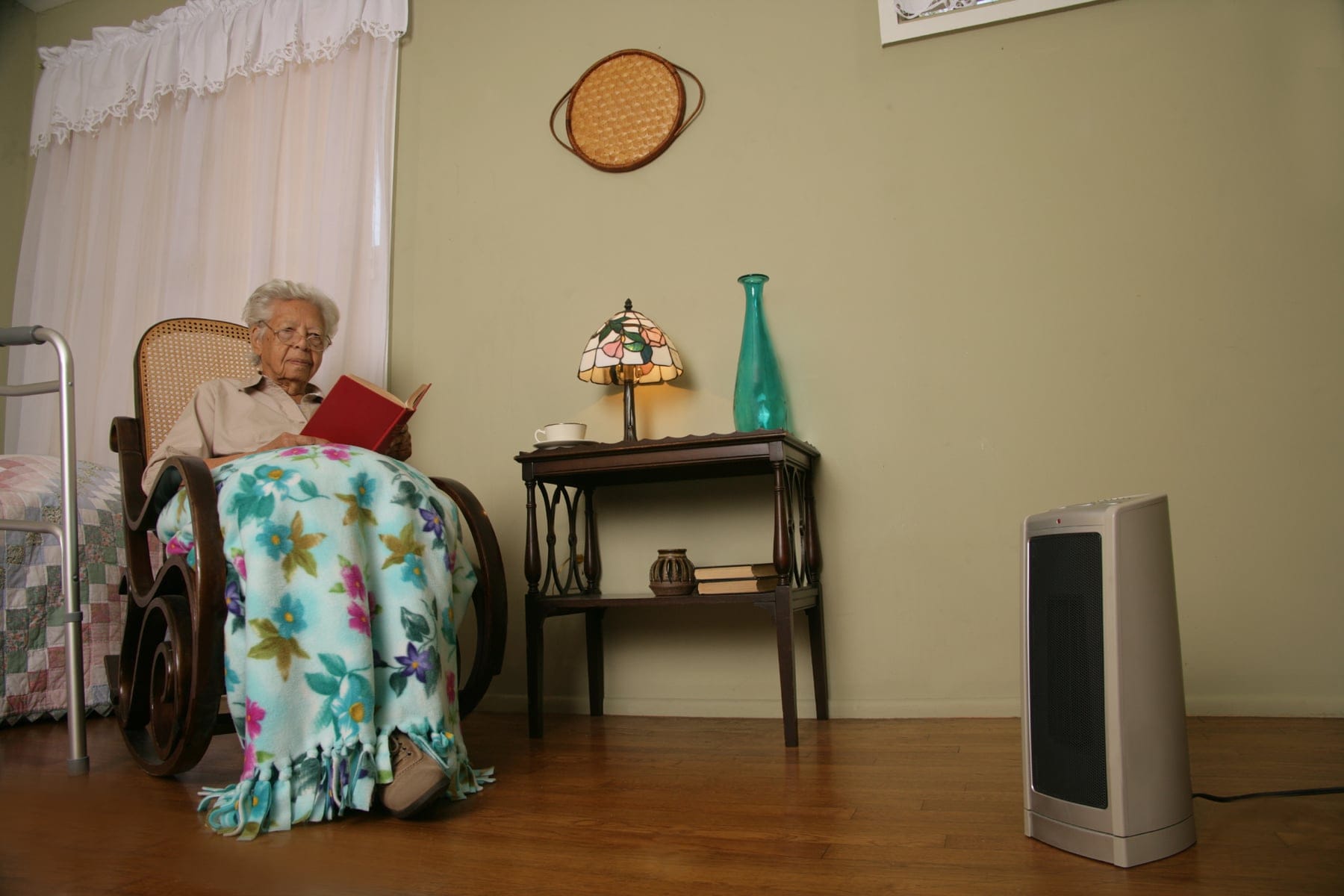
The U.S. Fire Administration's basic separation rule is at least three feet between heating equipment and things that can burn. Curtains, bedding, clothing and upholstered furniture belong in that assessment. The distance is not a promise that every installation is safe: a manufacturer's instructions may impose additional clearances or placement restrictions. Treat the general rule as a starting boundary, then check the actual appliance's requirements.
A practical room review follows everyday movement. Look at where a blanket falls when someone gets out of a chair, where the hamper is normally left and where a curtain hangs when closed at night. A photograph of a tidy room in the afternoon can conceal what happens after someone pulls bedding toward the floor or moves a chair to watch television. The usable clearance needs to survive ordinary use, not exist only at the moment of inspection.
NFPA also recommends keeping children away from heating equipment with a three-foot safety zone. In a busy household, that means deciding where play, walking routes and hot equipment can coexist rather than relying on a warning shouted after someone approaches. A heater placed in the most convenient walking path may solve a cold spot while creating a different problem. Do not make the route to a door narrower in order to create space beside the appliance.
Consider an illustrative bedroom with only one practical wall outlet. If the heater's own cord cannot reach a suitable position without crossing a doorway, the answer is not to bridge the gap with an extension cord. Rearranging the room, using a different appropriate location or seeking help with the underlying heating problem is more defensible than preserving an unsafe arrangement. Convenience is not an exception to placement guidance.

The outlet is part of the heating system
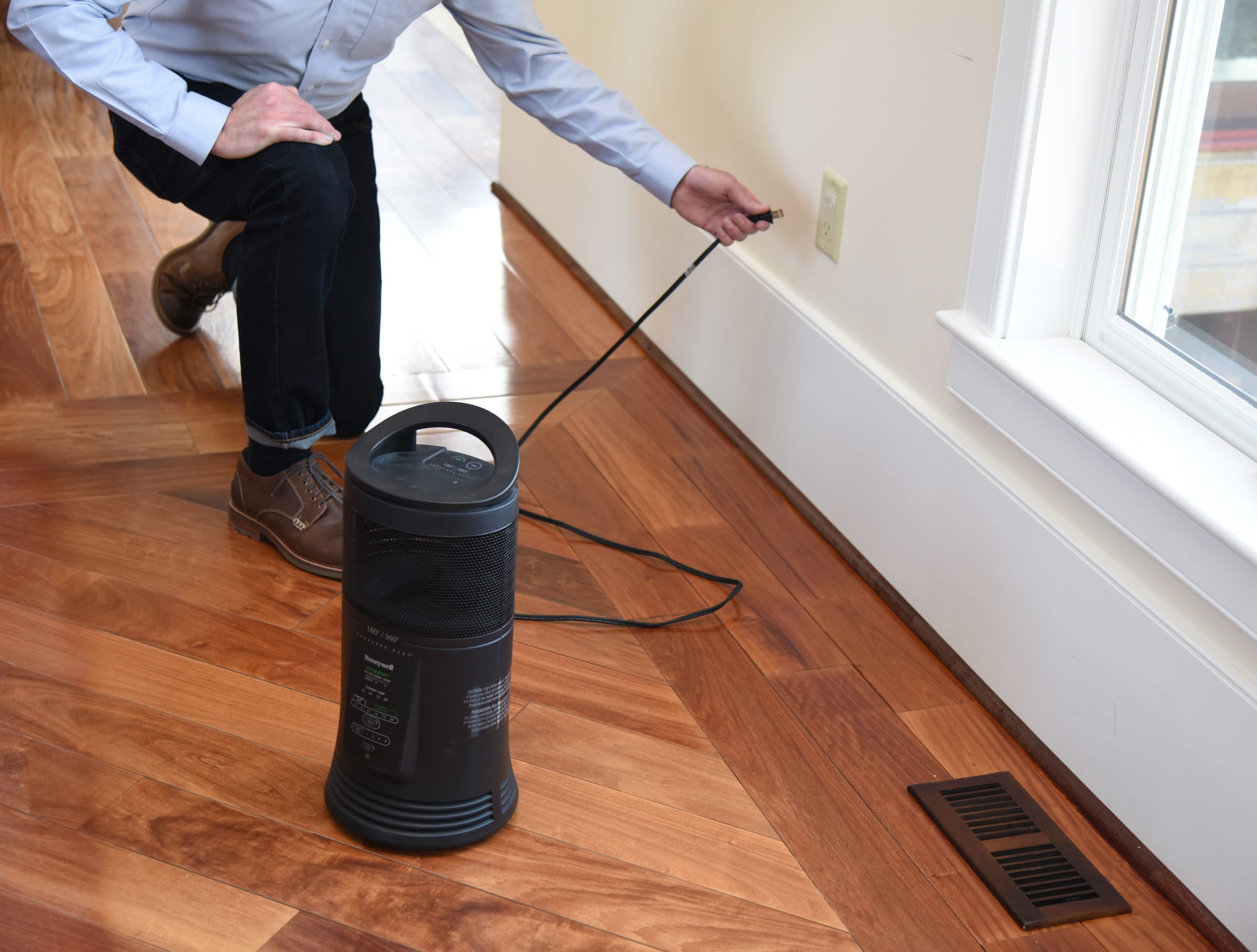
For portable electric heaters, federal guidance calls for plugging directly into a wall outlet, not an extension cord or power strip. A power strip's familiar presence beside a desk does not make it an appropriate intermediary for a heater. Likewise, a thicker-looking extension lead should not be treated as permission to override the direct-outlet recommendation. The appliance's manual should identify its electrical requirements and permitted use.
For scale, an illustrative 1,500-watt appliance operating at 120 volts draws 12.5 amperes: watts divided by volts. That arithmetic is not a circuit assessment or a recommendation to add up appliances until a presumed limit is reached. It does explain why a heater is not comparable to a small phone charger simply because both fit a household receptacle. The condition of the connection and the actual circuit arrangement require attention beyond the shape of a plug.
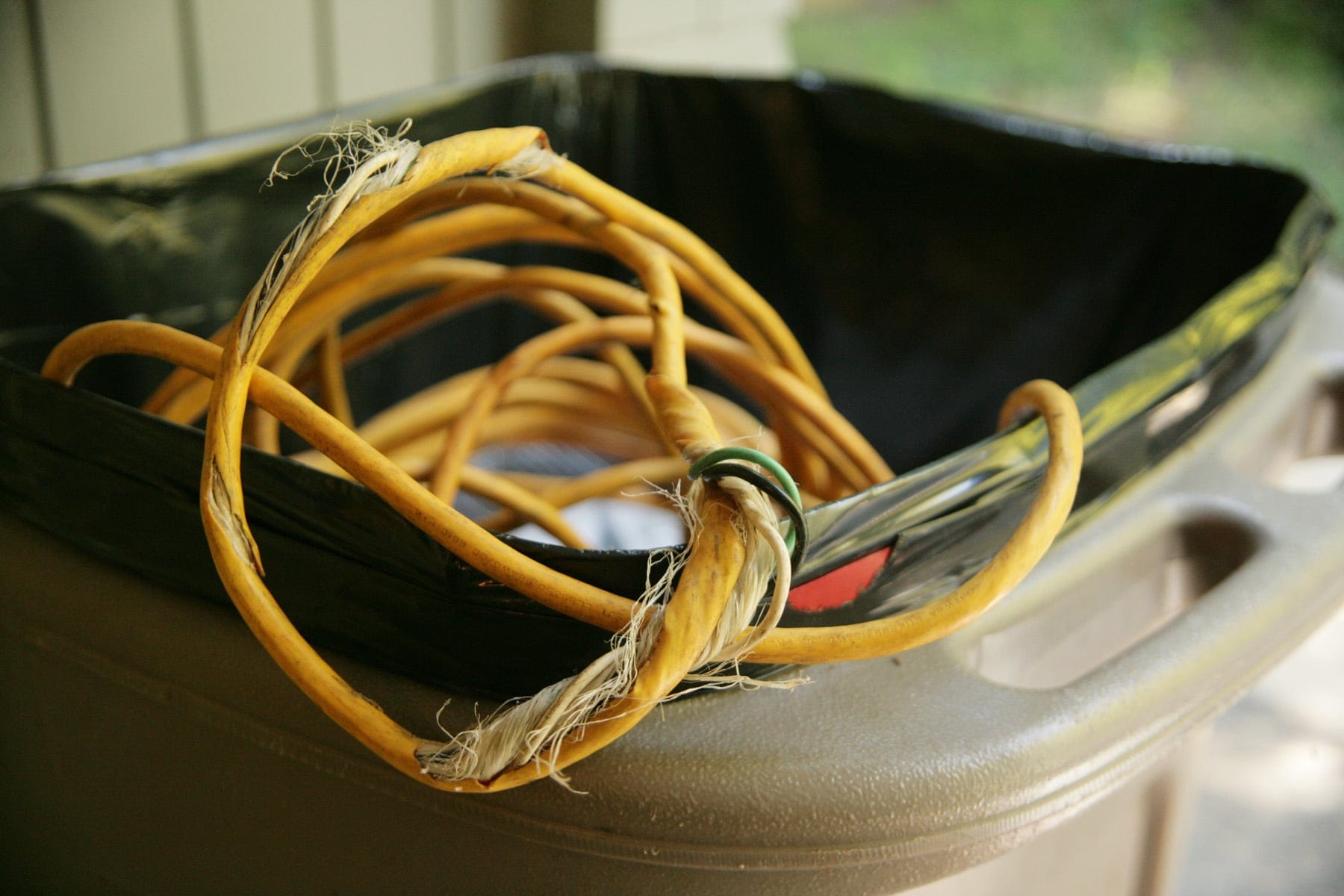
Before use, inspect the accessible cord and plug without opening equipment or electrical fittings. The Texas Department of Insurance advises looking for cracked or broken plugs and loose connections. Keep cords out of the places where furniture, rugs or repeated foot traffic can hide or damage them. A damaged cord is a reason to stop using the appliance and follow appropriate repair or replacement guidance, not an invitation to improvise a taped repair.

CPSC's home-wiring guidance identifies unusually hot outlets or faceplates, loose plug connections and repeatedly tripping protective devices as warning signs requiring qualified attention. Do not replace a breaker or fuse with a higher-rated one to keep a heater operating. Do not bend plug blades to make a loose connection feel tighter. These apparent shortcuts change a symptom without establishing why the electrical system is behaving that way.

Decide who turns it off
USFA recommends switching portable heaters off when leaving the room or going to sleep. That instruction is easy to agree with and easy to lose in a shared household. Decide who checks the room at bedtime and when the last person leaves. A heater's timer, thermostat or tip-over feature should not be interpreted as an invitation to leave it operating contrary to its instructions or official safety guidance.
Look for a heater carrying a recognized testing laboratory's mark and appropriate safety features, including automatic shutoff if it tips over. These features address particular hazards; they do not remove the need for adequate clearance, safe electrical connections or supervision. A device can stand upright while a blanket shifts toward it. A thermostat can respond to room temperature without knowing that its surroundings have changed.
CPSC also recommends checking whether a heater has been recalled. Use the actual brand, model and identifying information, not a product photograph that merely looks similar. If a recall applies, follow the manufacturer's stated remedy and stop-use instructions. A clean exterior, a recent purchase or years of uneventful operation does not establish that a product is outside a recall. Keep enough identifying information to distinguish the unit in the room from similar models sold under the same brand.
The fireplace is not just a decorative opening
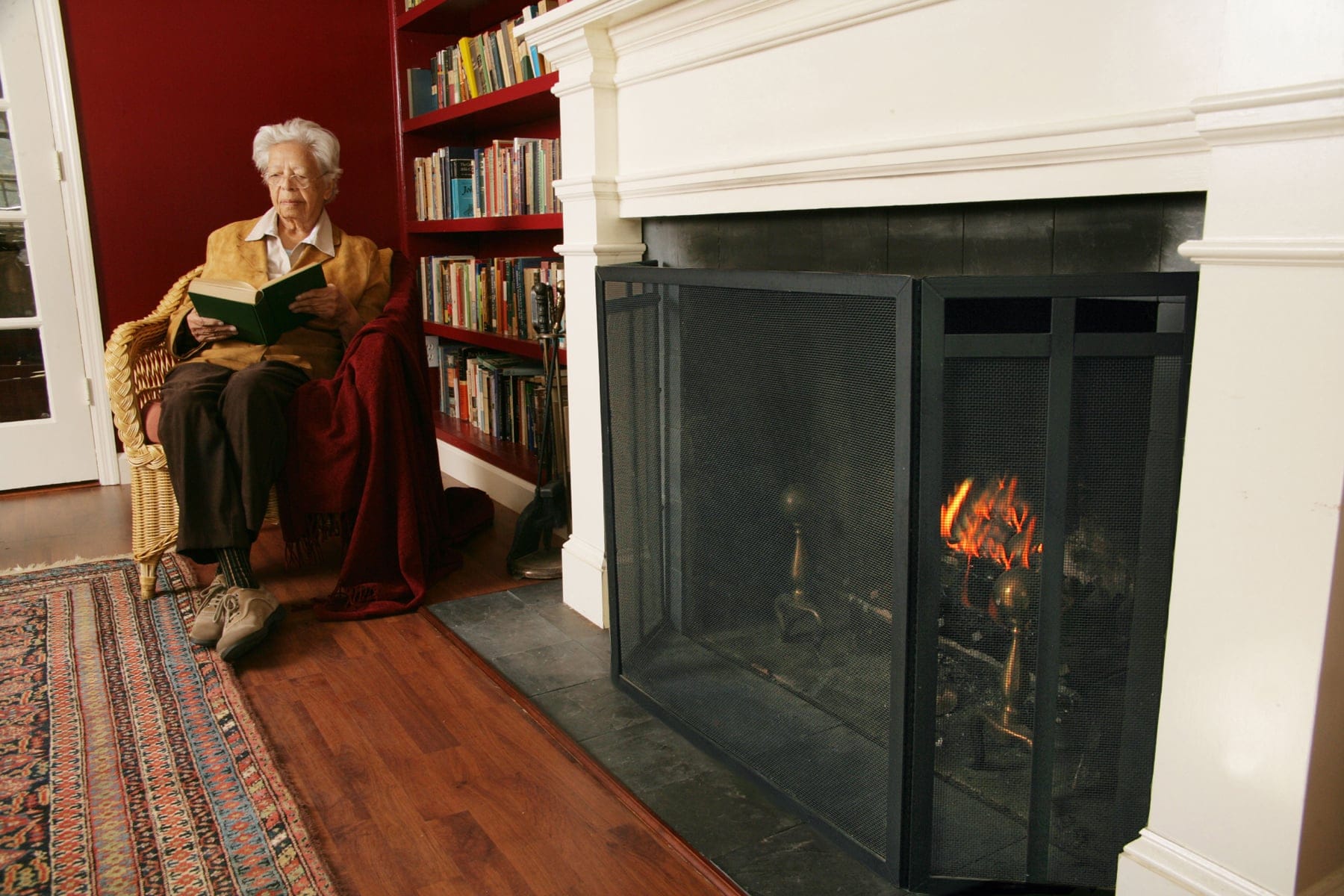
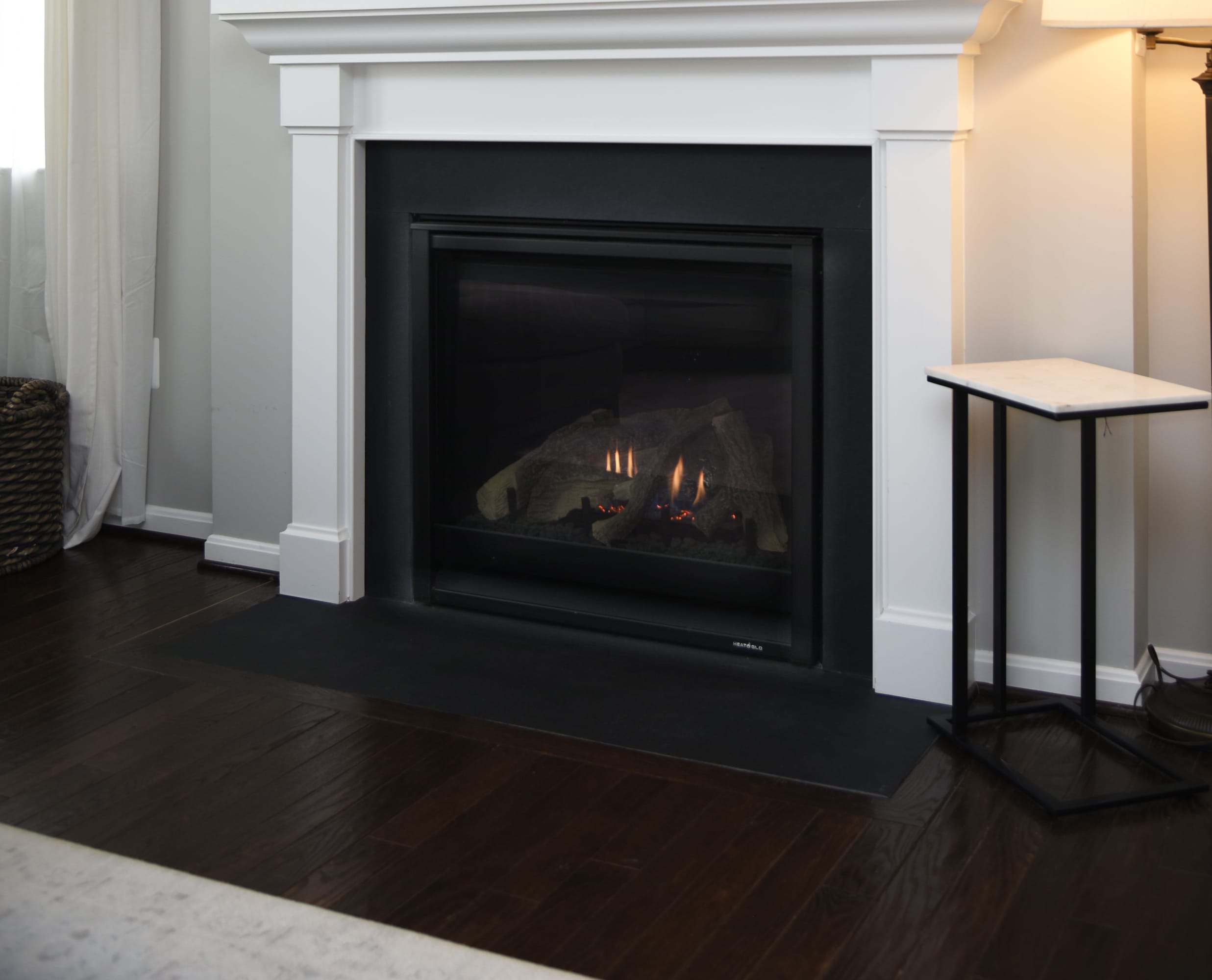
A wood-burning fireplace introduces flames, embers, fuel and an exhaust path. A gas fireplace has a different fuel system and appliance-specific controls. Neither should be operated by borrowing instructions from the other. Identify the actual unit and find its manual before assuming that a screen, door position, fuel choice or shutdown procedure seen elsewhere applies to it.
USFA advises using a sturdy fireplace screen to prevent sparks from entering the room, and NFPA calls for heating equipment and chimneys to be cleaned and inspected annually by qualified professionals. A screen addresses escaping sparks; it does not establish that the chimney or venting system is sound. Similarly, a professional service appointment does not excuse placing a combustible item close to the opening after the technician leaves.
Plan the end of the fire as carefully as its beginning. USFA's heating handout calls for cool ashes to go into a metal container with a lid, kept outside at least ten feet from the home. Ash handling is a separate task from putting away logs or tidying a hearth. Do not substitute a household trash bag or assume that material is ready for normal disposal simply because a visible flame has disappeared.
For wood selection, EPA's archived Burn Wise guidance distinguishes dry, seasoned firewood from trash, treated wood and other unsuitable materials. It recommends wood with moisture below 20 percent and advises observing local restrictions. The program's website is no longer updated after October 30, 2025, so its practical material is identified here as archived guidance, not a new 2026 announcement. Check current local air-quality and burning rules before lighting a fire.

A furnace check reaches beyond the thermostat
CPSC recommends yearly professional inspection of fuel-burning heating systems, including furnaces, boilers, fireplaces and wood stoves, along with their chimneys, flues and vents. The thermostat is the household's control point, but it is not an inspection window into those systems. Warm air arriving at a register does not establish that combustion products are being vented correctly.
Renters can make the same distinction without attempting repairs. Report a heating fault, recurring shutdown or concern about an appliance through the normal building-management process and keep the relevant details. Do not modify a fixed heating system to compensate for a delayed response. Local responsibilities and emergency arrangements vary, so the practical task is to identify the correct contact and a safe alternative plan before a cold night becomes urgent.
If gas is smelled, NFPA advises leaving immediately and calling the fire department or gas company. Do not attempt to light the appliance. That is an emergency response, not a troubleshooting session. By contrast, routine maintenance questions belong with the appropriate qualified professional when there is no immediate danger. Keeping those two situations distinct prevents a checklist from becoming an excuse to remain inside investigating a potentially hazardous condition.
Smoke alarms and carbon monoxide alarms have different jobs
A smoke alarm detects a fire-related hazard; a carbon monoxide alarm addresses a poisonous gas that people cannot reliably recognize by sight or smell. One is not a substitute for the other. Fuel-burning equipment makes the CO question particularly important, but protection should be considered across the home rather than only beside the appliance that happens to be receiving attention today.
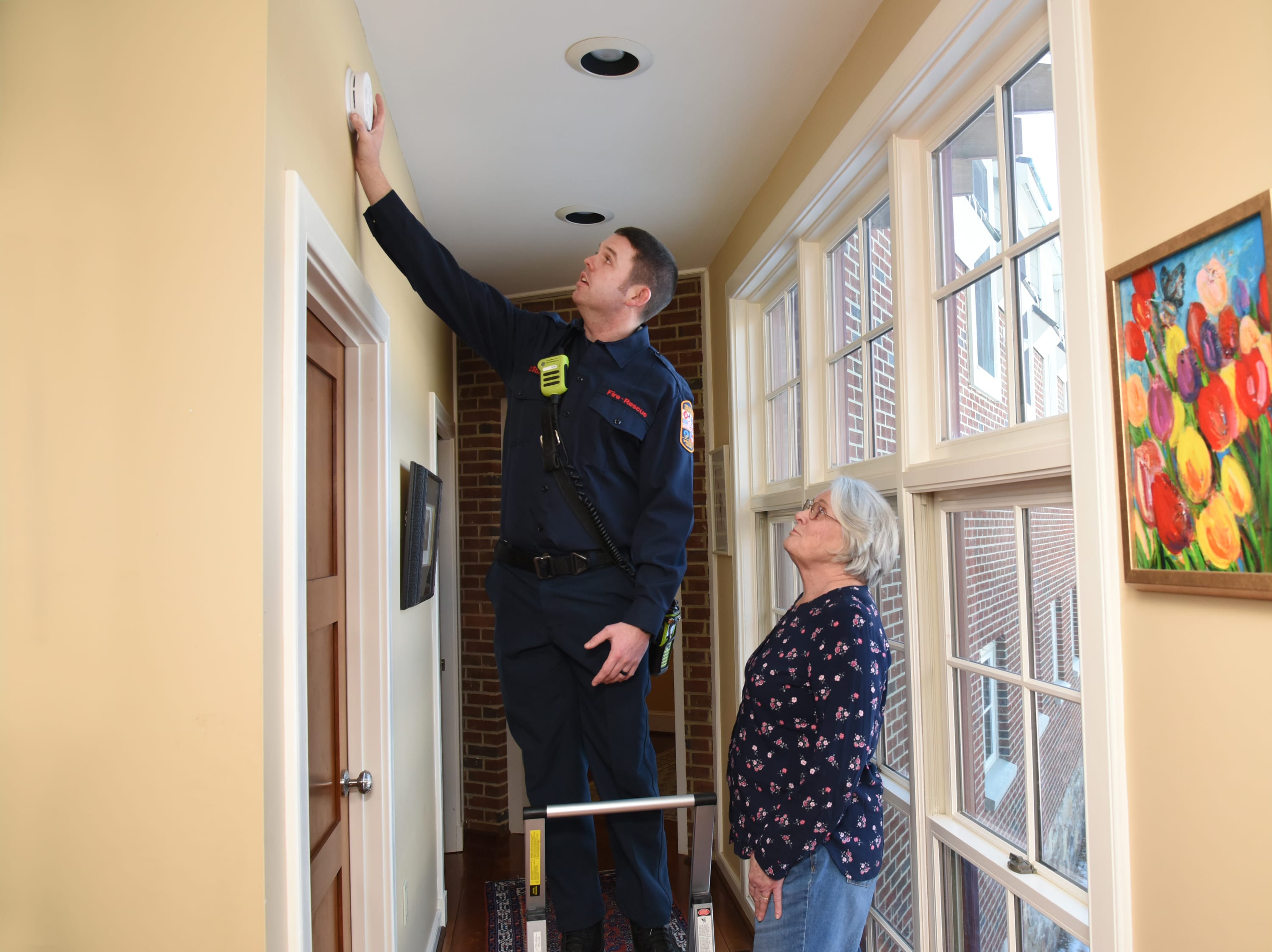
USFA recommends smoke alarms inside every bedroom, outside each separate sleeping area and on every level, including the basement. Interconnected alarms provide a warning throughout the home when one activates. Test alarms monthly according to their instructions. Smoke alarms generally need replacement ten years after manufacture; the date on the device matters more than a vague memory of when it was installed.

Battery arrangements differ. A sealed ten-year unit is not maintained in the same way as an alarm with a replaceable battery, and a hardwired alarm can still have backup-power requirements. Follow the specific device's instructions instead of applying one battery rule to every alarm. Never remove power simply to silence a nuisance. People who need hearing-accessible warnings may require strobe or vibration devices; local fire departments may be able to explain available assistance.
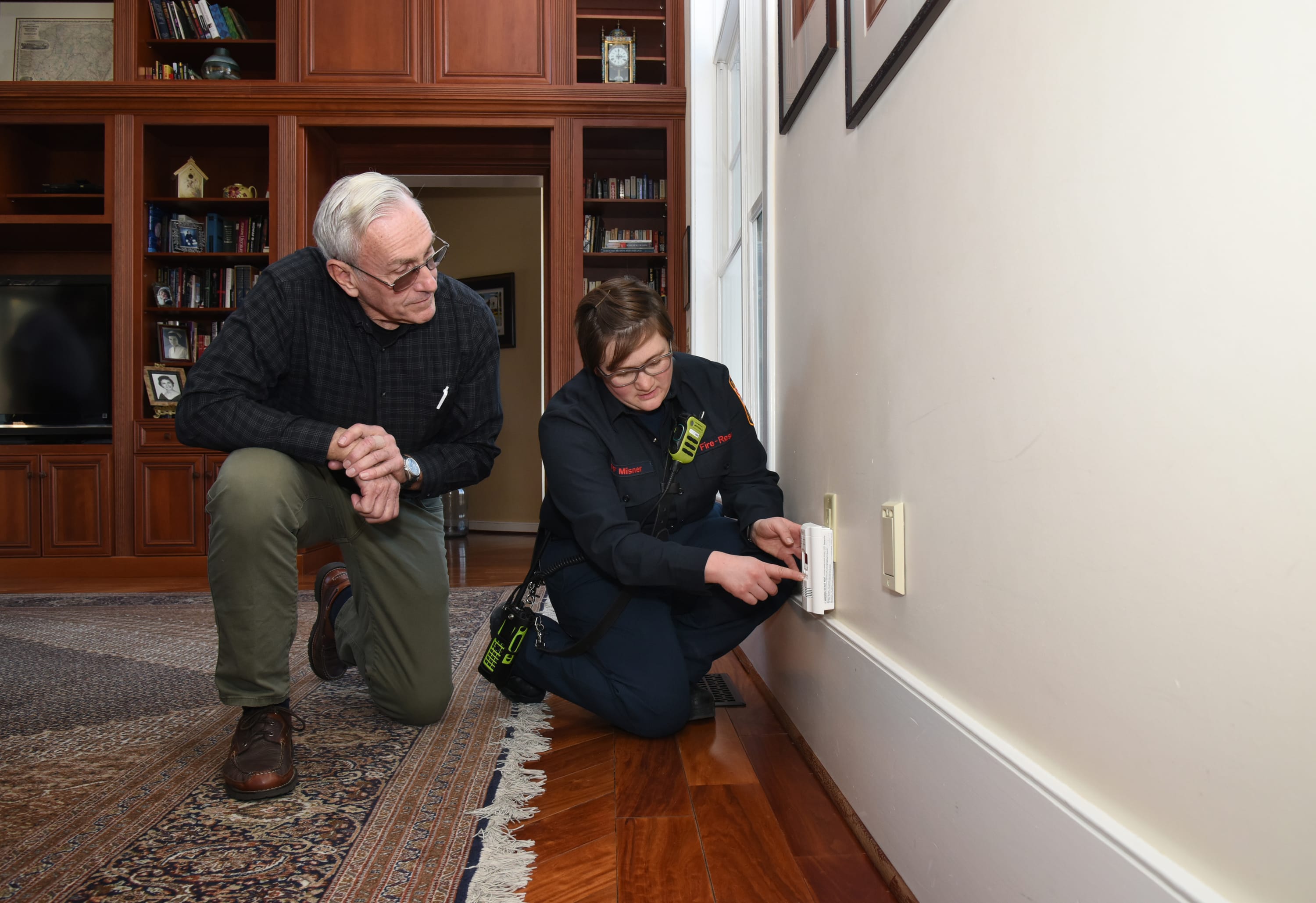
USFA places CO alarms outside each sleeping area and on every floor. Its carbon monoxide guidance also stresses keeping outside vents clear of snow and debris. A blocked exhaust path and a missing warning device are separate vulnerabilities, so checking one does not complete the other task. Place and maintain alarms according to manufacturer instructions and applicable requirements rather than inventing a universal mounting height for every product.

When power fails, do not improvise a new hazard
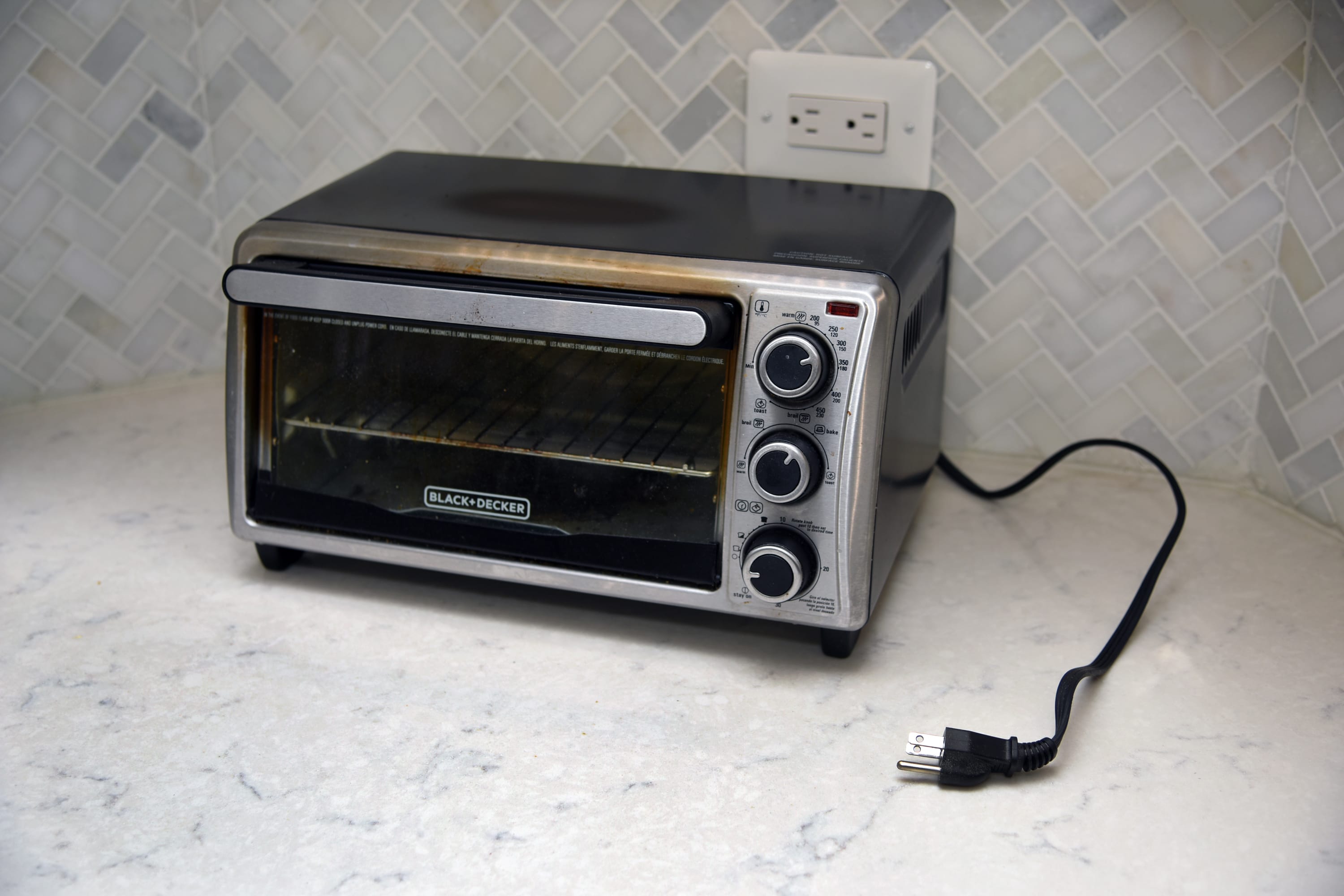
An oven is not a home heater. USFA explicitly advises against using an oven for heating, and a loss of normal heat does not change that boundary. Cooking appliances, outdoor combustion equipment and portable heating appliances have different intended uses. Opening an oven door or bringing outdoor equipment into an enclosed space is not a substitute for a safe outage plan.

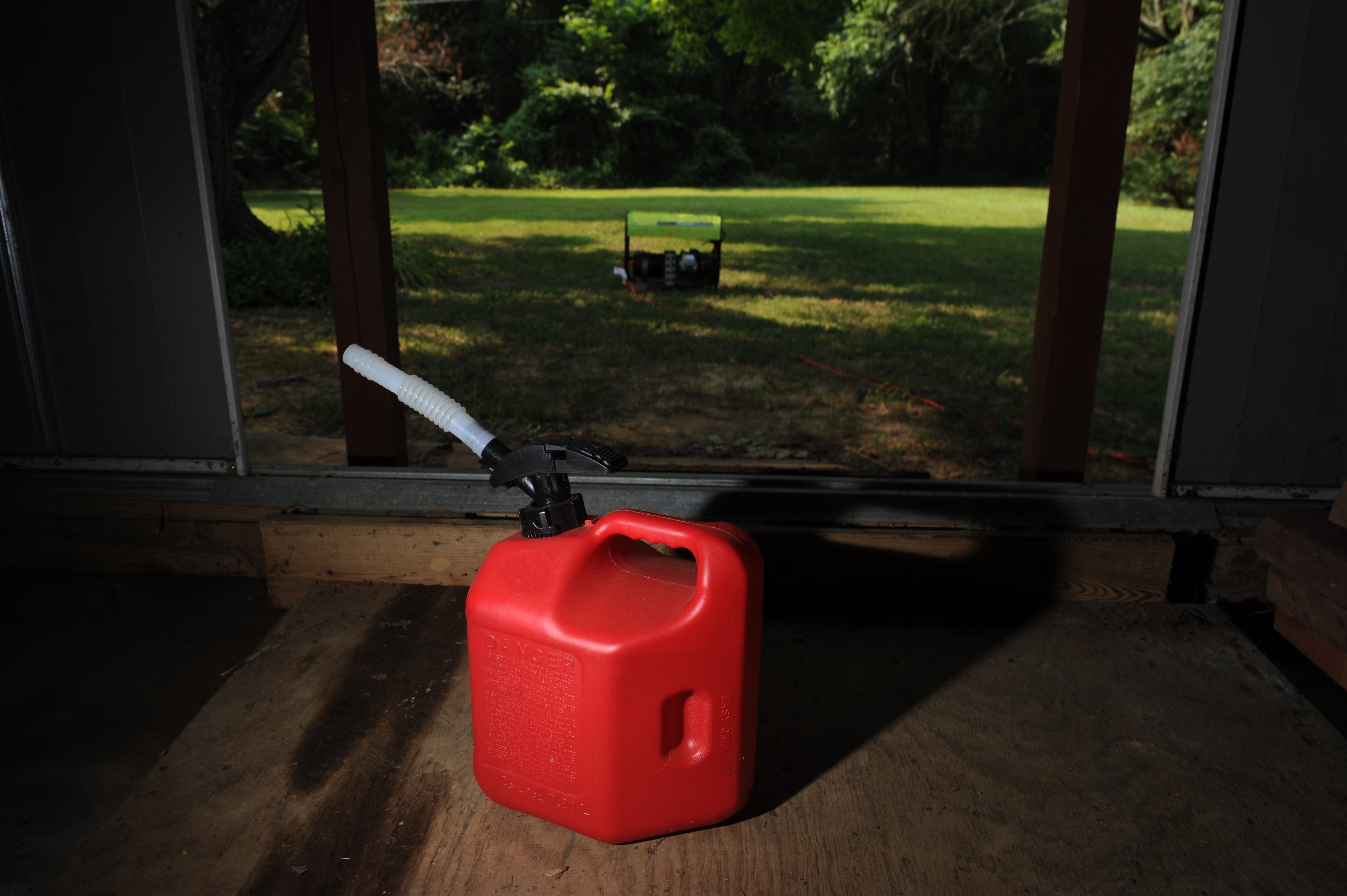
Portable generators belong outdoors, at least twenty feet from the home, with exhaust directed away from the building and nearby structures, according to CPSC. Never operate one in a home, basement, garage or shed. The photograph accompanying this section is a stock illustration of outdoor equipment, not a site survey certifying a particular distance or installation. Real placement must account for the actual property and the manufacturer's instructions.
CPSC also advises turning a generator off and letting it cool before refueling, and choosing flashlights rather than candles for emergency lighting. Arrange those supplies before a forecast outage. Generator connection and household electrical arrangements require appropriate expertise; do not improvise a connection to household wiring. A plan that depends on moving combustion equipment indoors when the weather turns unpleasant is not a workable safety plan.

Finish at the door
USFA warns that occupants may have less than two minutes to escape after a smoke alarm sounds. Make a plan with everyone in the household: identify doors and windows, know two ways out of rooms where possible, keep routes clear and choose an outside meeting place. Practice the plan, including how someone needing assistance will get out. The route needs to work from the places where people actually sleep and spend time.
Apartment residents should understand their building's emergency instructions and available exits. USFA advises using stairs rather than elevators in a high-rise fire unless the fire department directs otherwise, and closing the apartment door when leaving. Once outside, stay at the agreed meeting place and tell responders if someone is missing. Do not turn an escape plan into a reason to go back inside.
The most useful result of a seasonal review is a short list of concrete decisions: a heater relocated or left unused, a damaged cord taken out of service, an inspection arranged, an alarm replaced or an exit cleared. Record unfinished items with the person responsible for resolving them. That makes the next conversation about an identifiable task rather than a vague reassurance that someone already checked the house.
For a household where someone needs help moving or following a routine, our aging-in-place care-plan guide explains how named responsibilities and backup help connect home improvements to everyday care. Apply that same clarity when deciding who checks heaters and assists with an escape plan.



Comments
Post a Comment